
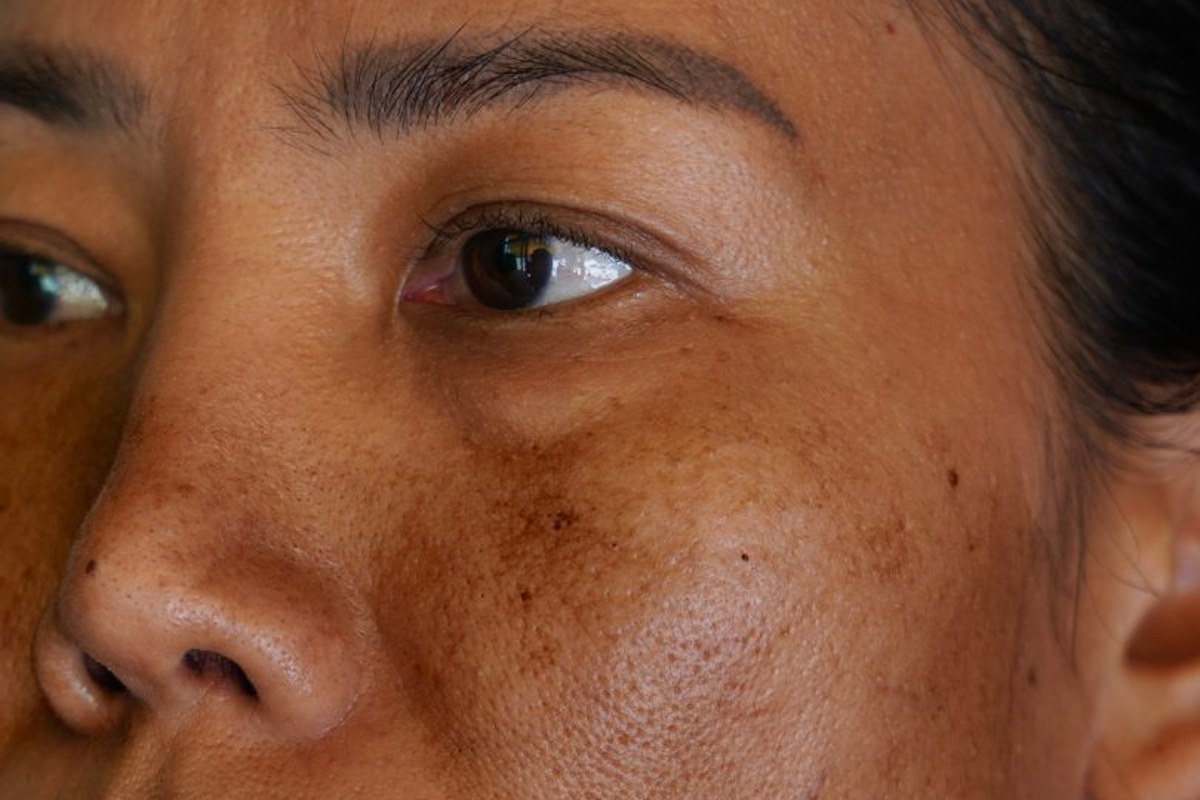
Melasma got a very public moment in December 2025. After a comment about shaving her “mustache,” Selena Gomez explained in an Instagram video that the shadow above her lip is melasma. “It’s from the sun,” she said, adding that she takes care of it and treats it.
Mindy Kaling has talked about it too. In a 2023 Allure interview she said she deals with melasma as well as hyperpigmentation, and warned that “if you have melanated skin, you have to be so careful about lasers.” She explained that she scars easily, which rules out some laser treatments that work fine for other people.
Both points are worth holding on to. Melasma is common, it is not your fault, and the wrong treatment can make it darker. Here is what helps, what to skip, and when it is time to see a pro in Manhattan.
What melasma is, and why it keeps coming back
Melasma is a pigment condition. The skin makes extra melanin in patches, usually in a symmetrical pattern across both cheeks, the forehead, the bridge of the nose or the upper lip. It is much more common in women and in medium to deep skin tones, and it often shows up or gets worse with:
- Sun and visible light, including light through office and car windows.
- Heat, which can darken patches in some people even without sun.
- Hormones, such as pregnancy (often called the “mask of pregnancy”) or birth control.
- Genetics. Many people with melasma have a parent or sibling with it.
Melasma is managed rather than cured. The goal is to lighten what is there, then keep it quiet with a routine you can stick with.
What you can do at home
- Tinted sunscreen with iron oxide, every single day. Dermatologists recommend a broad-spectrum, water-resistant SPF 30 or higher, and a tinted formula with iron oxide helps block the visible light that can worsen melasma. Iron oxide is listed under inactive ingredients. Reapply every two hours when you are outside.
- Shade and a hat. A wide-brimmed hat and sunglasses do real work, especially on long avenue walks at midday.
- One gentle brightener at a time. Azelaic acid, vitamin C, kojic acid, niacinamide and topical tranexamic acid are common choices. Add one product, give it a few weeks, then decide whether to add another. Retinoids can help too, but skip them if you are pregnant or trying to be.
- Keep your skin calm. Use a fragrance-free cleanser and moisturizer. Irritation can darken melasma, so stop anything that burns or stings.
- Track it with photos. Take a photo in the same spot and the same light every four weeks. Melasma changes slowly, and photos keep you from quitting too early.
What to avoid
- Tanning beds and sunlamps. They can worsen melasma and undo treatment.
- Skipping sunscreen on cloudy or winter days. UVA and visible light still reach your skin.
- Heat if it triggers you. Notice whether hot yoga, saunas or steam rooms leave your patches darker.
- Scrubs, strong DIY peels and lemon juice. Anything that irritates the skin can make pigment worse.
- Imported lightening creams. Some contain undisclosed steroids or mercury. Stick with U.S.-made products or ones your dermatologist recommends.
- Waxing a melasma upper lip without asking first. Irritation in that area can darken patches, so ask your dermatologist about the gentlest hair removal option.
- Aggressive lasers at a practice that does not treat melasma often. Settings that are too strong can trigger rebound darkening, which is the point Kaling was making.
When to see a pro, and what they may suggest
If a few months of steady sun protection and gentle products have not helped, a Manhattan dermatologist can confirm it is melasma (other conditions can look similar) and build a plan. Common options include:
| Option | What it does | Good to know |
|---|---|---|
| Prescription creams | Hydroquinone or a triple combination cream lightens pigment | Used in cycles with check-ins, not forever |
| Gentle chemical peels | Superficial peels help lift surface pigment | Usually a series at low strength, spaced weeks apart |
| Low-energy laser or light | Gentle settings can break up pigment | Not right for everyone. Choose a provider who treats melasma often, especially for deeper skin tones |
| Oral tranexamic acid | A prescription pill that can lighten stubborn melasma | Your doctor screens you first, since it is not safe for everyone |
Most plans combine sun protection, a topical and one in-office treatment. Expect to think in months, and ask for a maintenance plan so the results last.
A Manhattan note for winter
Melasma does not take the winter off. Visible light still comes through big office windows, and radiator heat dries the skin, which makes irritation easier. Fall and winter are a good time to start in-office treatment because you get less strong sun, but keep the tinted sunscreen on through December.
Take the free Skin Match quiz. It takes a minute, then shows you the treatments and Manhattan providers that fit your skin.
Read the Skin Match guide to melasma
Sources
- Selena Gomez on melasma, Instagram video, December 2025 (via AOL)
- Mindy Kaling on melasma and lasers, Allure interview, July 2023 (via AOL)
- American Academy of Dermatology: Melasma self-care
This guide is general information, not medical advice. A board-certified dermatologist can confirm what you have and what is safe for you, especially if you are pregnant, nursing or on prescription skin care. Celebrity comments are quoted from the published interviews linked below.
Top-rated for Chemical Peels
See every Chemical Peels provider and price Premier
Inside Beauté Aesthetics
Video from Beauté Aesthetics on YouTube. See their listing, prices and reviews.
Questions to ask at your consultation
- Which device is it, and how many of these treatments do you do each month?
- How many sessions will I need, and what is the package price?
- What does the downtime really look like, day by day?
- Are the settings adjusted for my skin tone?
- What should I stop using on my skin before and after?
Screenshot this list and bring it with you. A good provider will answer every one without pressure.
Take the free Skin Match
Three quick questions, then your options from the easy first step to the bigger fix, with real Manhattan prices.


