
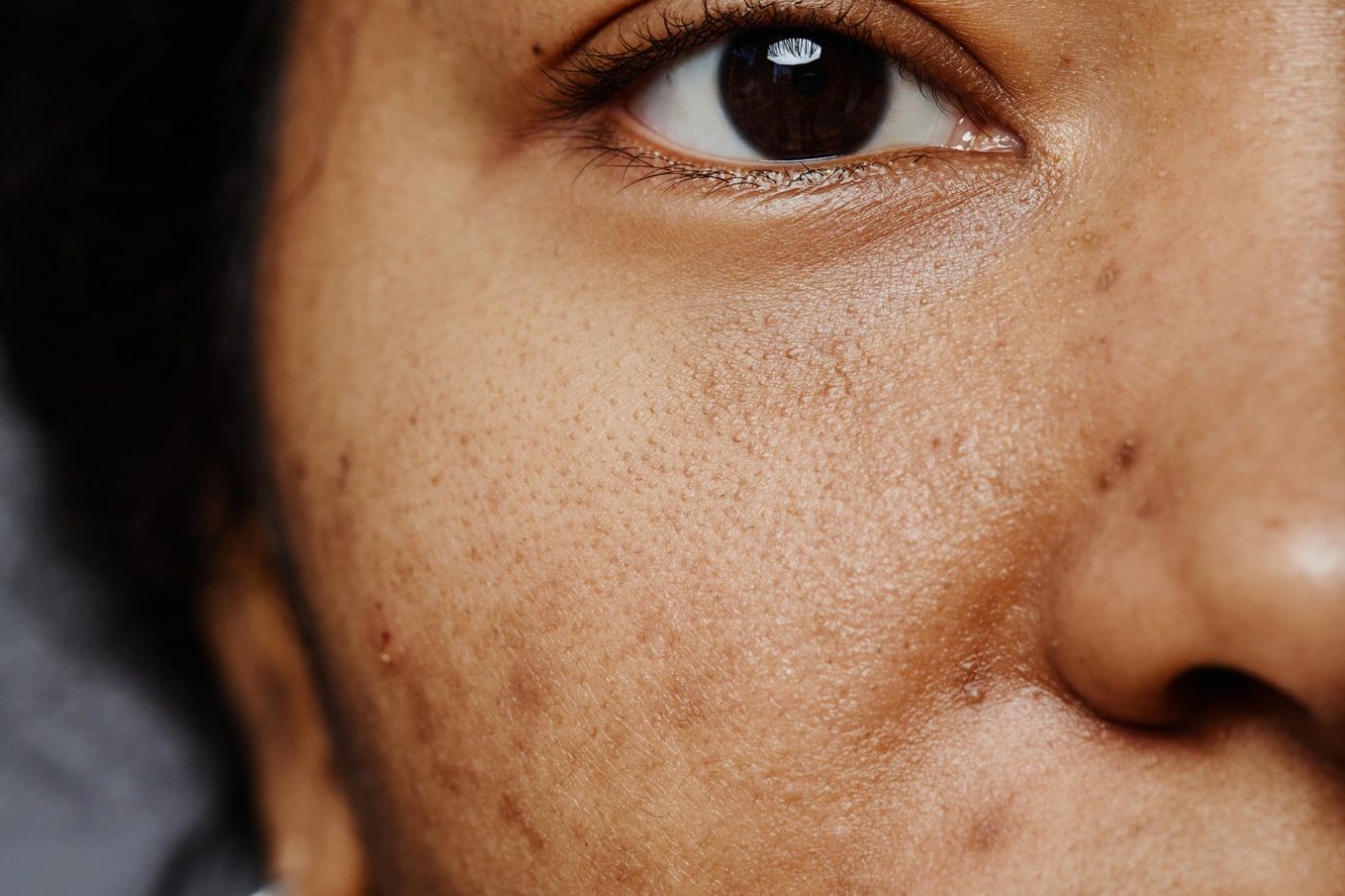
Keke Palmer has been open about both sides of breakouts. In a 2024 NewBeauty interview tied to a skin care launch she was part of, she said she has dealt with acne since she was about 12, and that even when it clears, “there’s always going to be some dark spots.” Her approach is to manage the acne and the discoloration together.
That is the right instinct, and it starts with one question: is what you are looking at a mark or a scar? They are treated very differently, and a lot of people spend money on scar treatments for spots that would fade with sunscreen and time.
Mark or scar? A quick way to tell
Run a clean finger over the spot and look at it in side light, like a window to one side of you. If it is flat and only the color is different, it is a mark. If it dips in or rises up, it is a scar.
| What you see | What it is | What usually helps |
|---|---|---|
| Flat brown or dark brown spot | A dark mark (post-inflammatory hyperpigmentation). More common in medium and deep skin tones | Sunscreen, brightening ingredients, time, and peels if it is stubborn |
| Flat pink or red spot | A red mark (post-inflammatory erythema). More common in lighter skin | Time and sunscreen. A vascular laser can speed it up |
| Shallow dents with soft or sharp edges | Rolling or boxcar scars | Microneedling, RF microneedling, lasers or subcision |
| Narrow, deep pits | Icepick scars | Dermatologist procedures such as TCA CROSS or punch techniques |
| Firm, raised bump | A raised scar or keloid | Injections, silicone sheets or laser from a dermatologist |
What you can do at home for dark marks
- Treat the acne first. Dermatologists say dark spots from acne fade once the breakouts stop. Over-the-counter adapalene gel and benzoyl peroxide are good starting points. A dermatologist can prescribe stronger options.
- Wear sunscreen every day. Choose a broad-spectrum SPF 30 or higher. A tinted formula with iron oxide also blocks visible light, which can keep dark marks dark.
- Add one brightening ingredient. Azelaic acid, vitamin C, glycolic acid, kojic acid or a retinoid can all help fade marks. Start with one and give it at least eight weeks.
- Be patient. According to the American Academy of Dermatology, a spot a few shades darker than your skin usually fades within 6 to 12 months once the cause stops. Deeper discoloration can take longer.
- Keep your hands off. Every squeeze adds inflammation, and inflammation is what leaves the mark.
What to avoid
- Picking and squeezing. It is the fastest way to turn a pimple into a mark or a scar.
- Scrubs and DIY “fixes.” Lemon juice, baking soda and toothpaste irritate skin and can make marks darker.
- Imported lightening creams and anything with bleach. Some imported products contain hidden steroids or mercury, and liquid bleach should never go on skin.
- At-home dermarollers with long needles. Deep needling at home can injure skin and spread bacteria. Leave it to professionals.
- Lasers at a practice without experience in your skin tone. In medium and deep skin, the wrong laser or settings can leave new dark marks. Ask how often they treat skin like yours.
When to see a pro, and what they do
If you have true scars, or marks that have not budged after six months of steady care, an acne and scar specialist can map out a plan. Most scar plans combine two or three treatments over several months.
| Treatment | Best for | Good to know |
|---|---|---|
| Chemical peels | Dark marks and mild texture | Usually a series. Gentler peels suit deeper skin tones |
| Microneedling | Rolling and boxcar scars | Often three or more sessions. Works on many skin tones |
| RF microneedling (such as Morpheus8) | Deeper texture and scars | A few days of redness. Ask about settings for your skin tone |
| Fractional laser | Scars and uneven texture | Downtime varies by laser. Experience with your skin tone matters |
| Dermatologist procedures | Icepick scars, deep rolling scars, raised scars | Subcision, TCA CROSS and injections are done by doctors |
Ask to see before and after photos of patients with your skin tone and scar type, and ask how many sessions they expect for you.
Take the free Skin Match quiz. It takes a minute, then shows you the treatments and Manhattan providers that fit your skin.
Read the Skin Match guide to acne scars
Still breaking out? Start with the guide to oily and acne-prone skin
Sources
- Keke Palmer on hyperpigmentation and acne, April 2024 (NewBeauty)
- American Academy of Dermatology: How to fade dark spots
This guide is general information, not medical advice. A board-certified dermatologist can confirm what you have and what is safe for you, especially if you are pregnant, nursing or on prescription skin care. Celebrity comments are quoted from the published interviews linked below.
Top-rated for Chemical Peels
See every Chemical Peels provider and price Premier
Inside Beauté Aesthetics
Video from Beauté Aesthetics on YouTube. See their listing, prices and reviews.
Questions to ask at your consultation
- Which device is it, and how many of these treatments do you do each month?
- How many sessions will I need, and what is the package price?
- What does the downtime really look like, day by day?
- Are the settings adjusted for my skin tone?
- What should I stop using on my skin before and after?
Screenshot this list and bring it with you. A good provider will answer every one without pressure.
Take the free Skin Match
Three quick questions, then your options from the easy first step to the bigger fix, with real Manhattan prices.


