
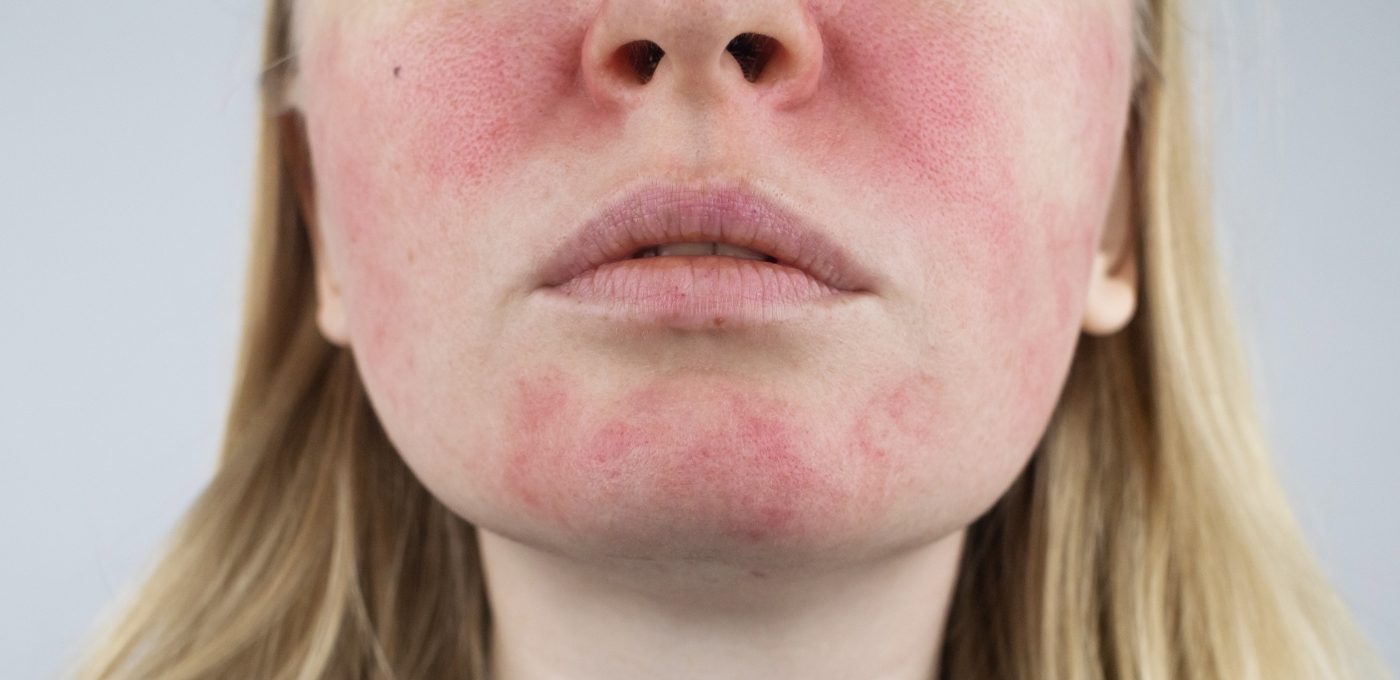
For years, Cynthia Nixon thought the redness and bumps that showed up in her early 40s were adult acne. She had acne when she was younger, so she treated it the same way. It was only when she saw a dermatologist about a mole that she learned it was rosacea. “I could have saved myself a decade of scrubbing,” she said in 2012, when she joined a rosacea awareness campaign with the National Rosacea Society.
She also named her own triggers: stress (especially stress about her skin), wine, and sudden temperature changes like hot baths. That is the most useful part of her story. Rosacea is very manageable once you know what sets yours off and stop fighting it with products made for acne.
Rosacea or acne? How to tell
| Sign | Rosacea | Acne |
|---|---|---|
| Redness | Flushing that comes and goes, then redness that stays | Mostly around individual spots |
| Blackheads | No | Often |
| Where | Center of the face: cheeks, nose, chin, forehead | Face, chest and back |
| How it feels | Burning, stinging, hot to the touch | Tender spots |
| Eyes | Can feel dry, gritty or irritated | Not affected |
You can have both at once, which is one more reason to get a proper diagnosis before you buy a cabinet of products.
Find your triggers
Dermatologists list these as the most common rosacea triggers: sunlight, stress, heat, alcohol (especially red wine), spicy foods, some skin care, hair care and makeup products, wind and cold, some medicines, and exercise. Everyone’s list is different.
- Keep a two-week diary. Write down what you ate and drank, the weather, your workouts, your products and when you flushed. The National Rosacea Society has a free rosacea diary you can print.
- Ask someone close to you to tell you when you look red. Flushing is easy to miss in the mirror.
- Check your cheeks. If they feel warm to the touch, you are probably flushing.
A gentle routine that helps
- Morning: rinse with lukewarm water or a gentle, non-soap cleanser. Pat dry, never rub. Apply a fragrance-free moisturizer, then a mineral sunscreen (zinc oxide or titanium dioxide) with SPF 30 or higher. Mineral formulas tend to sting less.
- Evening: cleanse gently and moisturize. Azelaic acid and niacinamide are ingredients dermatologists often suggest for rosacea-prone skin. Add one at a time.
- Patch test everything new. Try it on a small spot near your jaw for a few days before it goes on your whole face.
- Use a green-tinted primer or color corrector if you want to tone down redness on a big day.
- Keep a cool compress handy for flushing. A cool, damp cloth for a few minutes can take the heat out.
What to avoid
- Scrubs, brushes and rough washcloths. This is Nixon’s “decade of scrubbing.” Friction makes rosacea redder.
- Common irritants. Alcohol-based toners, witch hazel, fragrance, menthol, camphor, peppermint and eucalyptus are frequent culprits. Strong acids can also sting.
- Steroid creams on facial redness. Hydrocortisone can seem to help at first, then make rosacea worse. Only use it if a doctor tells you to.
- Acne products without guidance. Strong benzoyl peroxide or retinoids can irritate rosacea. Ask a dermatologist what is safe for your skin.
- Very hot showers, saunas and steam rooms, if heat is one of your triggers.
When to see a pro, and what they may suggest
See a Manhattan dermatologist if redness lasts, bumps keep coming back, or your eyes feel irritated. Rosacea responds well to treatment, and earlier is easier.
| Option | Best for | Good to know |
|---|---|---|
| Prescription creams and gels | Bumps, pimples and some redness | Metronidazole, azelaic acid and ivermectin are common. Results build over several weeks |
| Oral medication | Frequent bumps and flare-ups | Often a low, anti-inflammatory dose your doctor monitors |
| Vascular laser or IPL | Lasting redness and visible blood vessels | Usually a series of sessions, plus touch-ups. Ask how often the practice treats rosacea |
| A rosacea-safe facial | Calming and hydration between treatments | Ask for no steam, no harsh extractions and fragrance-free products |
A Manhattan note
City life has its own triggers. Wind tunnels between tall buildings, overheated subway cars and apartments, and a hot coffee on the walk to work can all add up. A scarf over your cheeks on windy days, a cooler shower and letting your coffee cool a little are small changes that help a lot of people.
Take the free Skin Match quiz. It takes a minute, then shows you the treatments and Manhattan providers that fit your skin.
Read the Skin Match guide to sensitive skin and rosacea
Sources
- Cynthia Nixon on her rosacea diagnosis, April 2012 (Fox News Health)
- American Academy of Dermatology: How to find your rosacea triggers
- National Rosacea Society: Rosacea diary
This guide is general information, not medical advice. A board-certified dermatologist can confirm what you have and what is safe for you, especially if you are pregnant, nursing or on prescription skin care. Celebrity comments are quoted from the published interviews linked below.
Top-rated for Skin Treatments
 PremierBeauté AestheticsUpper East Side · 4.8 on Google (256)Has a current offer
 PremierLuxury & Cosmetic Dentistry NYCUpper East Side · 5.0 on Google (110)Has a current offer
 PremierLa Réserve AestheticsTribeca · 5.0 on Google (68)Has a current offer
Inside Beauté Aesthetics
Video from Beauté Aesthetics on YouTube. See their listing, prices and reviews.
Questions to ask at your consultation
- Who will do the treatment, and how long have they done it?
- What results can I expect after one visit, and after a series?
- What is the full price, including add-ons?
- Is it suitable for sensitive skin or my skin tone?
- What should I do at home before and after?
Screenshot this list and bring it with you. A good provider will answer every one without pressure.
Take the free Skin Match
Three quick questions, then your options from the easy first step to the bigger fix, with real Manhattan prices.


