Bridgerton star Phoebe Dynevor has talked about building her routine around dry skin. “When I was growing up I had mostly dry skin, so I just kind of started layering on,” she said in a 2022 Vogue video, describing how she layers products. Of one moisturizer, she said: “This is key to someone like me who has really dry skin.”
Layering moisture is a sound idea, and in a New York winter it matters more than ever. Here is why city winters are so hard on skin, what dermatologists recommend at home, and when a hydrating treatment in Manhattan is worth booking.
Why New York winters dry out your skin
- Cold, dry air outside. Winter air holds less moisture, and wind pulls more out of your skin.
- Radiator heat inside. Many Manhattan apartments run hot and dry from November to March.
- Long, hot showers. They feel good on a cold day but strip the oils that keep skin soft.
- Harsh products. Alcohol, fragrance and strong exfoliants make dryness worse.
Dry or dehydrated?
Dry skin makes too little oil, so it feels rough and can flake. Dehydrated skin lacks water, so it can feel tight and look dull even if it is oily in places. Both get worse in winter, and both improve with the same basics: gentle cleansing, moisture and protecting the skin barrier.
What dermatologists recommend at home
- Shorter, cooler showers. Keep showers and baths to 5 to 10 minutes in warm water, not hot. Close the bathroom door and pat dry instead of rubbing.
- Moisturize on damp skin. Apply moisturizer within minutes of washing your face or showering, and again whenever skin feels dry.
- Choose a cream or ointment. They hold in more moisture than a lotion. Use a lip balm or petroleum jelly for lips.
- Look for the right ingredients. Glycerin, hyaluronic acid, dimethicone, shea butter, petrolatum, lanolin, jojoba oil and lactic acid all help.
- Run a humidifier. Put one in the bedroom overnight and clean it regularly so mold doesn’t grow.
- Go fragrance-free. Choose products labeled “fragrance-free,” since “unscented” products can still contain fragrance.
What to avoid
- Alcohol and fragrance in cleansers, toners and moisturizers.
- Strong retinoids and exfoliants while skin is raw. If you use a retinoid, cut back to fewer nights until flaking settles.
- Scrubbing flakes off. Moisture and time work better than a scrub.
- Skipping sunscreen. Winter sun still damages skin, especially on the walk to work.
When to see a dermatologist
See a Manhattan dermatologist if your skin cracks or bleeds, itches enough to keep you up at night, or doesn’t improve after a couple of weeks of good care. Very dry, itchy patches can be eczema or another skin condition that needs a prescription.
Hydrating treatments in Manhattan
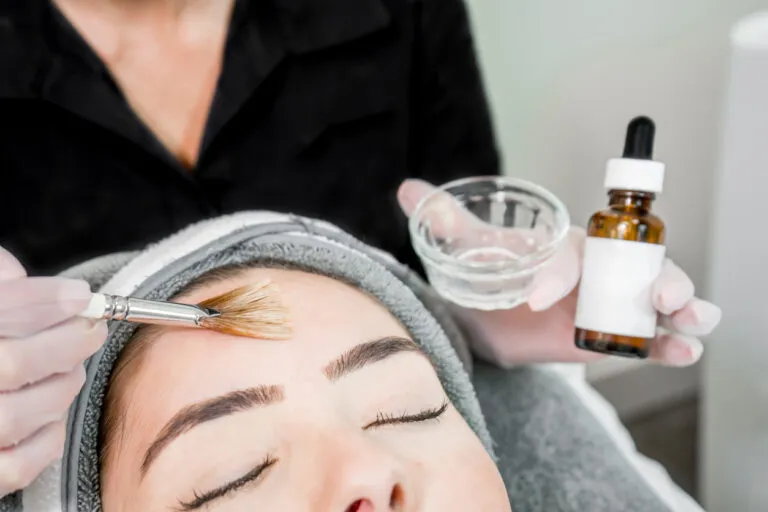
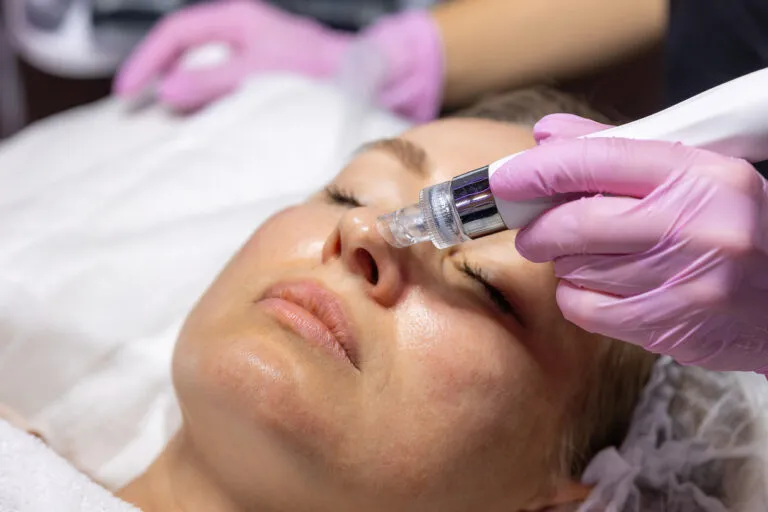
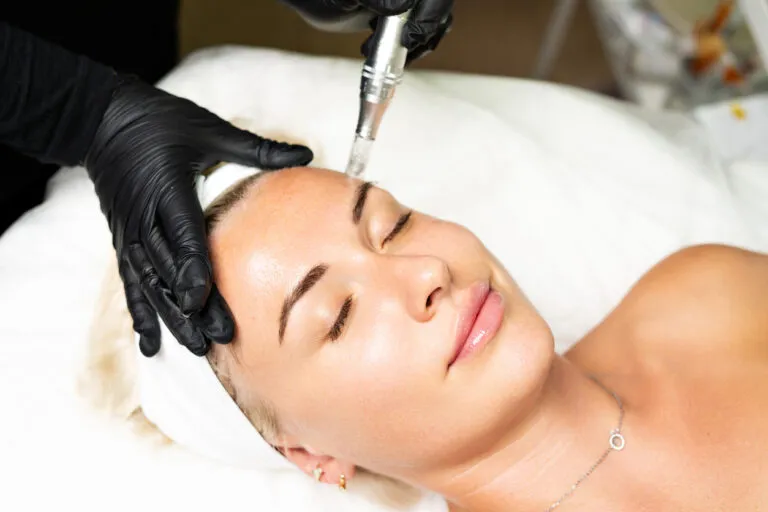
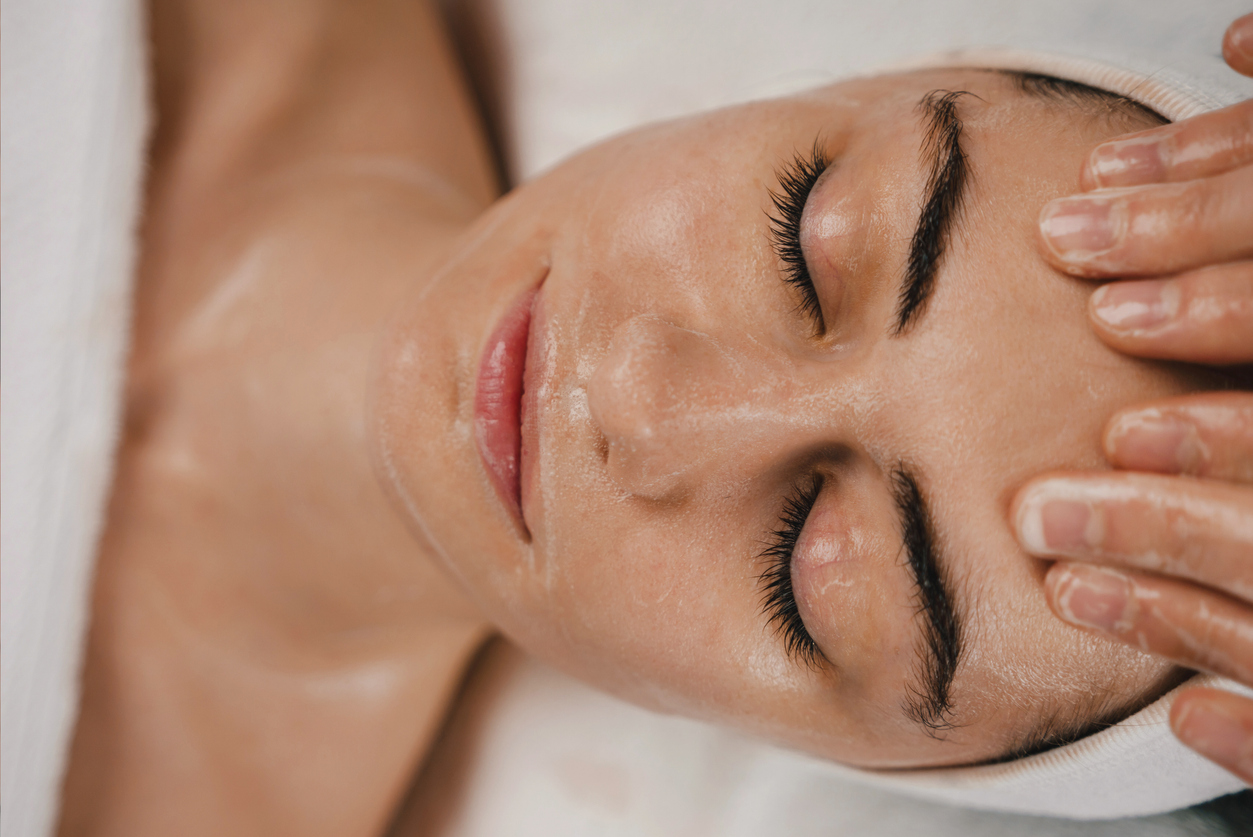
An in-office treatment won’t replace daily moisturizer, but it can give dry, dull skin a fast reset. Prices below are typical Manhattan ranges from practices that publish them on NYC Hot List.
| Option | Best for | Typical Manhattan price | Good to know |
|---|---|---|---|
| HydraFacial | Hydration and a quick glow | $150 to $300 | Gentle, with no downtime. Ask for a hydrating booster |
| Hydrating facials | Dry, tight winter skin | $79 to $749 | Tell the esthetician your skin is dry so they skip harsh steps |
| Gentle lactic acid peel | Flaky, dull skin once it is calm | $85 to $450 | Only when skin isn’t raw or cracked. Ask for the mildest option |
A Manhattan winter checklist
- A humidifier by the bed, cleaned every few days.
- A richer cream for nights from November to March.
- Hand cream and lip balm in your coat pocket for the commute.
- Gloves and a scarf on windy days to protect your hands and face.
- Sunscreen every morning, even when it’s gray.
Take the free Skin Match quiz. It takes a minute, then shows you the treatments and Manhattan providers that fit your skin.
Read the Skin Match guide to dry and dehydrated skin
Sources
- Phoebe Dynevor in a Vogue video, January 2022 (via Just Jared)
- American Academy of Dermatology: Dermatologists’ top tips for relieving dry skin
This guide is general information, not medical advice. A board-certified dermatologist can confirm what you have and what is safe for you, especially if you are pregnant, nursing or on prescription skin care. Celebrity comments are quoted from the published interviews linked below.
Top-rated for HydraFacial
See every HydraFacial provider and price
Questions to ask at your consultation
- Who will do the treatment, and how long have they done it?
- What results can I expect after one visit, and after a series?
- What is the full price, including add-ons?
- Is it suitable for sensitive skin or my skin tone?
- What should I do at home before and after?
Screenshot this list and bring it with you. A good provider will answer every one without pressure.
Take the free Skin Match
Three quick questions, then your options from the easy first step to the bigger fix, with real Manhattan prices.